


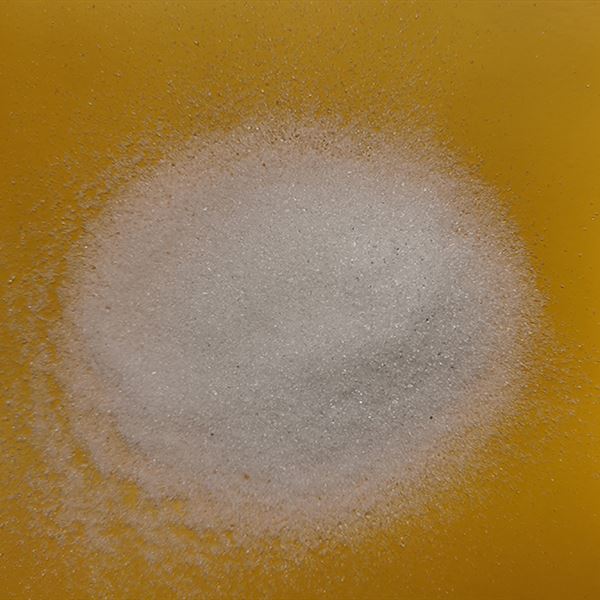
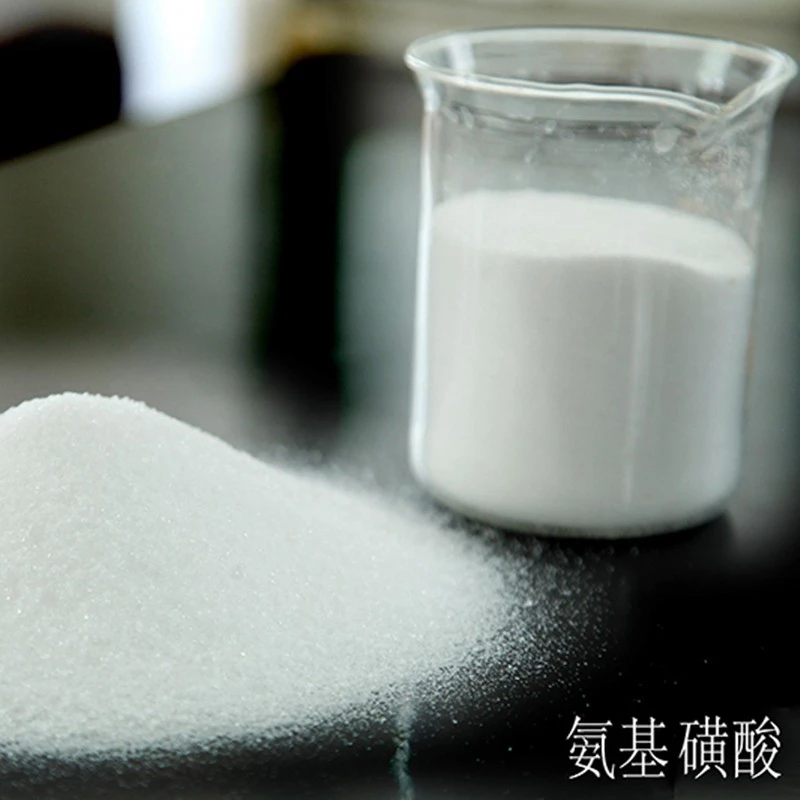
Electroplating Sulfamic Acid is a process chemical for nickel sulfamate plating and electroforming, used in bath preparation, replenishment, and pH adjustment. Its controlled chemical composition makes it suitable for industrial plating systems with defined raw-material specifications.
Technical Specifications
|
Item |
Standard |
Result |
|
Assay |
99.5% Min |
99.84% |
|
Loss on Drying |
0.1% Max |
0.02% |
|
SO₄ |
0.05% Max |
0.01% |
|
NH₃ |
200 ppm Max |
80 ppm |
|
Fe |
0.003% Max |
0.0003% |
|
Heavy Metal (Pb) |
10 ppm Max |
1 ppm |
|
Chloride (Cl) |
1 ppm Max |
0 ppm |
|
pH Value (1%) |
1.0–1.4 |
1.2 |
|
Bulk Density |
1.15–1.35 g/cm³ |
1.22 g/cm³ |
|
Water-Insoluble Matter |
0.02% Max |
0.004% |
|
Appearance |
White crystalline |
White crystalline |
Key Applications
Nickel Sulfamate Plating: Used in sulfamate nickel plating baths for bath preparation and chemical replenishment.
Electroforming: Applied in nickel electroforming systems requiring controlled sulfamate electrolyte chemistry.
Bath pH Adjustment: Used to lower plating-bath pH according to measured bath conditions and process requirements.
Metal Finishing: Suitable for industrial plating and finishing processes where low chloride, sulfate and metallic impurities are required.
Other Industrial Applications: Also used in industrial descaling, cleaning, chemical synthesis, pulp and paper processing, and resin production.
Electroplating Bath Preparation & pH Adjustment
Bath Preparation: Sulfamic acid can be used as a raw material when preparing sulfamate-based plating solutions. The required addition level should follow the bath formulation and process specification.
pH Adjustment: Its acidic character allows controlled reduction of plating-bath pH when analysis shows that adjustment is required.
Solution Testing: Bath additions should be based on measured pH and chemical analysis rather than a fixed dosage, since operating conditions vary between plating systems.
Chemical Compatibility: Before use, the supplied grade should be checked against the plating-bath formulation, particularly for chloride, sulfate and metallic impurity limits.
Purity & Impurities Control
Active Content Verification: Formulated with a high baseline assay to ensure predictable reaction stoichiometry and consistent performance in industrial synthesis.
Trace Metal Control: Controlled limits for iron and heavy metals help support applications where low metallic impurity levels are required.
Residue and Byproduct Limitation: Restricts insoluble matter and volatile byproducts to prevent suspended particulates or secondary contamination in closed-loop systems.
Moisture and Caking Prevention: Controlled moisture content helps reduce caking and maintain consistent handling and dissolution characteristics during storage.
Packaging & Storage
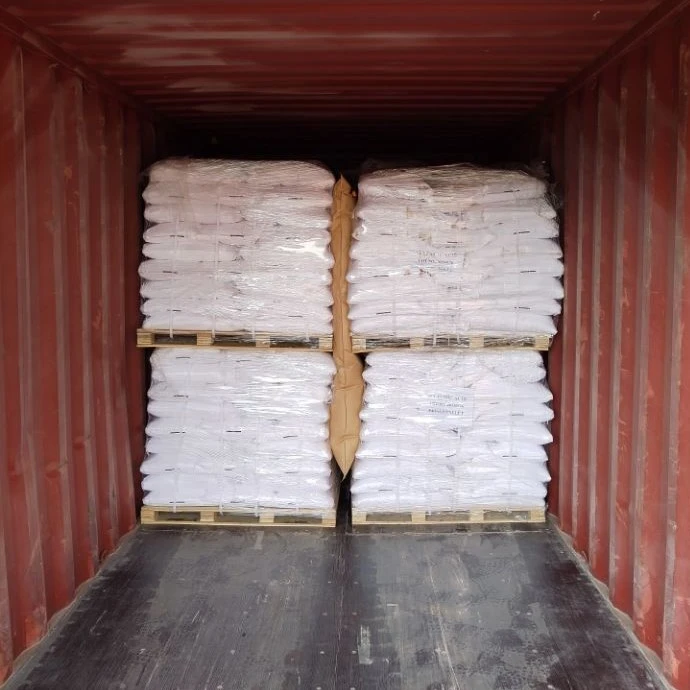
Label & Batch Identification: Export packages should carry product identification and batch information to support warehouse receiving, stock control and production traceability.
Moisture Barrier Integrity: Requires storage in tightly sealed, moisture-resistant packaging to protect the hygroscopic material from atmospheric humidity.
Separation & Compatibility: Must be stored away from strong oxidizing agents, alkaline compounds, and hypochlorite-based chemicals to avoid accidental neutralization or hazardous reactions.
Safety & Regulatory
Acid Substitution Profile: Replaces hydrochloric acid in operations requiring reduced corrosiveness, lower volatility, and the complete absence of toxic fumes.
Chemical Compatibility: Keep away from strong oxidizers, strong alkalis and incompatible chemicals. Do not mix with hypochlorite-based chemicals unless compatibility has been specifically confirmed.
Chemical Identifiers: Registered under CAS Registry Number 5329-14-6, EINECS Number 226-218-8, and HS Code 28111980.

FAQ
Hot Tags: electroplating sulfamic acid, China electroplating sulfamic acid manufacturers, suppliers, factory, Cleaning Agent Sulfamic Acid, Eco friendly Detergent Powder, industrial chemicals, Metal Treatment Sulfamic Acid, Technical Grade Maleic Anhydride, Titanium Dioxide Food Grade