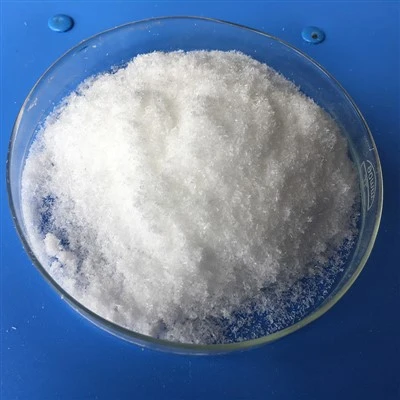
Glacial Acetic Acid Food Grade is a high-purity acetic acid supplied at ≥99.5% concentration for food processing and industrial food applications. Its low color, controlled residue and specified impurity limits make it suitable for vinegar production, pickling, sauces, condiments and other acidified food formulations.
Food-Grade Specification
|
Item |
Specification / Information |
|
Product Name |
Glacial Acetic Acid (Food Grade) |
|
Standard |
GB 1886.10-2015 |
|
Appearance |
Colorless, clear liquid |
|
Acetic Acid Content, % |
≥99.5 |
|
Residue on Evaporation, % |
≤0.005 |
|
Permanganate Time |
Pass |
|
Crystallization Point, °C |
≥15.6 |
|
Lead, mg/kg |
≤2 |
|
Arsenic, mg/kg |
≤1 |
|
Color, Hazen (Pt-Co) |
≤20 |
|
CAS No. |
64-19-7 |
|
Molecular Formula |
CH₃COOH |
|
Molecular Weight |
60.05 g/mol |
|
Density |
1.049 g/mL at 25°C |
|
HS Code |
29152119 |
|
UN No. |
2789 |
|
Hazard Class |
8+3 |
Applications
Acidity Regulation: Used as a direct acidulant and pH control agent in pickling solutions, vinegars, and condiments to maintain target acidity levels.
Acidity and Microbial Control: Used to adjust acidity and contribute to microbial control in selected food formulations, including pickling liquids, sauces and marinades, subject to applicable food regulations and formulation requirements.
Chemical Synthesis Intermediate: Serves as a foundational raw material in food-grade chemical synthesis, including specific food-grade acetate salts and stabilizing agents.
Coagulation and Processing: Functions as a processing aid in specific dairy and food texturizing operations requiring precise protein or compound precipitation.
Purity & Impurity Control
Chromaticity Control: Clear liquid appearance with Hazen chromaticity maintained below 20 Pt-Co units, preventing color contamination in clear beverages and transparent food bases.
Permanganate Oxidation Stability: Passes standard permanganate time tests, confirming the absence of readily oxidizable organic impurities and reactive aldehyde contaminants.
Appearance and Clarity: The product is supplied as a clear, colorless liquid and is suitable for applications where low color and controlled visual appearance are required.
Food-Grade Documentation
Certificate of Analysis (COA): Every production batch ships with a verified COA detailing exact purity, crystallization point, and heavy metal test results.
Regulatory Traceability: CAS number 64-19-7 and EINECS 200-580-7 documentation provided to match global food safety compliance and customs clearance requirements.
HS Code Classification: Standardized under HS code 29152119 to streamline import tariff declarations and commercial documentation processing.
Storage & Transportation
Hazardous Classification: Regulated as Class 8 + 3 hazardous material (corrosive liquid with flammable liquid secondary risk) requiring specialized chemical transport.
UN Number and Density: Transported under UN 2789 with a physical density of 1.049 g/mL at 25°C, dictating specific container weight and volume limits.
Storage Conditions: Store in tightly sealed, corrosion-resistant containers in a cool, dry, and well-ventilated area away from ignition sources and incompatible strong bases.


FAQ
Hot Tags: glacial acetic acid food grade, China glacial acetic acid food grade manufacturers, suppliers, factory, acidity regulators, Bulk Potassium Citrate, Food Grade Potassium Citrate, Food Grade Sodium Citrate, Glacial Acetic Acid Food Grade, Potassium Citrate Food Additive