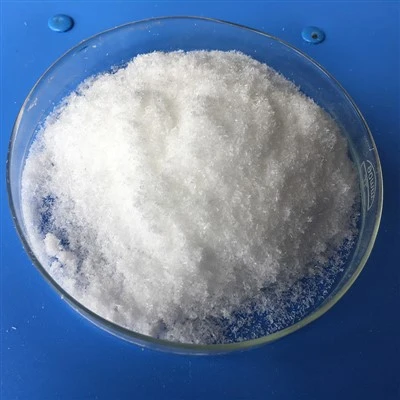
Trisodium Citrate Dihydrate is the dihydrate form of trisodium citrate, supplied as a white crystalline powder or crystals. It is used as a buffering agent, acidity regulator, sequestrant and emulsifying salt in food and beverage formulations. It is commonly supplied to food ingredient manufacturers, distributors and industrial buyers in bulk quantities.
Product Specification
|
Item |
Specification |
|
Product Name |
Trisodium Citrate Dihydrate |
|
Chemical Formula |
C₆H₅Na₃O₇·2H₂O |
|
Molecular Weight |
294.10 |
|
CAS No. |
6132-04-3 |
|
EINECS No. |
200-675-3 |
|
Appearance |
White or colorless crystalline granules or powder |
|
Odor |
Odorless |
|
Taste |
Salty, cooling |
|
pH |
Meets specification |
|
Assay / Content |
99.0–100.5% |
|
Light Transmittance |
≥95.0% |
|
Moisture |
10.0–13.0% |
|
Readily Carbonizable Substances |
≤1.0% |
|
Sulphate |
≤0.01% |
|
Chloride |
≤0.005% |
|
Oxalate |
≤0.01% |
|
Calcium Salts |
≤0.02% |
|
Iron Salts |
≤5 mg/kg |
|
Arsenic |
≤1 mg/kg |
|
Lead |
≤2 mg/kg |
Dihydrate vs. Anhydrous Comparison
Water of Crystallization: The dihydrate grade incorporates two moles of crystal water within its molecular structure, whereas the anhydrous variant contains no bound water molecules.
Thermal Behavior: Dihydrate crystals begin to lose their structural crystal water when heated to 150°C, a phase transition not required for the anhydrous form during processing.
Hygroscopic Tendency: The dihydrate version exhibits slight deliquescence when exposed to moist air, requiring distinct humidity controls compared to anhydrous forms.
Formulation Ratios: Dihydrogen and anhydrous variations require proportional adjustments in batch weighting due to the molecular weight difference introduced by the crystal water.
Functional Properties
PH Buffering Action: Acts as a reliable acidity regulator to stabilize pH levels in food and beverage formulations against shifting acidity.
Melting Emulsification: Functions effectively as an oil emulsifier in cheese processing, allowing proteins to maintain emulsion stability so cheese melts evenly without oil separation.
Flavor Modification: Contributes a clean, salty, and cooling flavor profile while simultaneously enhancing active ingredient stability in aqueous systems.
Chelating Capability: Binds trace metal ions in solution to prevent oxidative degradation and discoloration in processed foods and technical applications.
Application-Specific Module
Beverage Acidity Control: Applied as a buffering agent in soft drinks and functional beverages to adjust and maintain target acidity ranges.
Dairy Processing: Utilized in processed cheese manufacturing to prevent fat separation and achieve smooth textural melting properties.
Industrial Detergents: Deployed as a safe alternative to sodium tripolyphosphate in detergent formulations to soften water and boost cleaning efficiency.
Technical Synthesis: Utilized as a processing aid in industrial fermentation, chemical injection, photography development, and metal plating baths.
Applicable Standards & Compliance
E331(iii) Food Additive: Trisodium citrate is listed as E331(iii) for the tribasic sodium citrate form. EU specifications recognize trisodium citrate in anhydrous, dihydrate and pentahydrate forms.
EU Specification: EU E331(iii) specifies not less than 99% assay on an anhydrous basis, with pH 7.5–9.0 in a 5% aqueous solution and defined limits for loss on drying, oxalates, arsenic, lead and mercury.
USP Reference: USP identifies sodium citrate in anhydrous and dihydrate forms and specifies 99.0–100.5% sodium citrate calculated on the anhydrous substance. The dihydrate is identified by CAS No. 6132-04-3 and molecular weight 294.10.
Storage & Handling
Moisture Protection: Store in a tightly sealed container and protect the material from moisture. The product can be slightly deliquescent in moist air, so open packaging should not be left exposed during handling.
Storage Conditions: Keep in a cool, dry and well-ventilated area away from excessive heat and humidity.
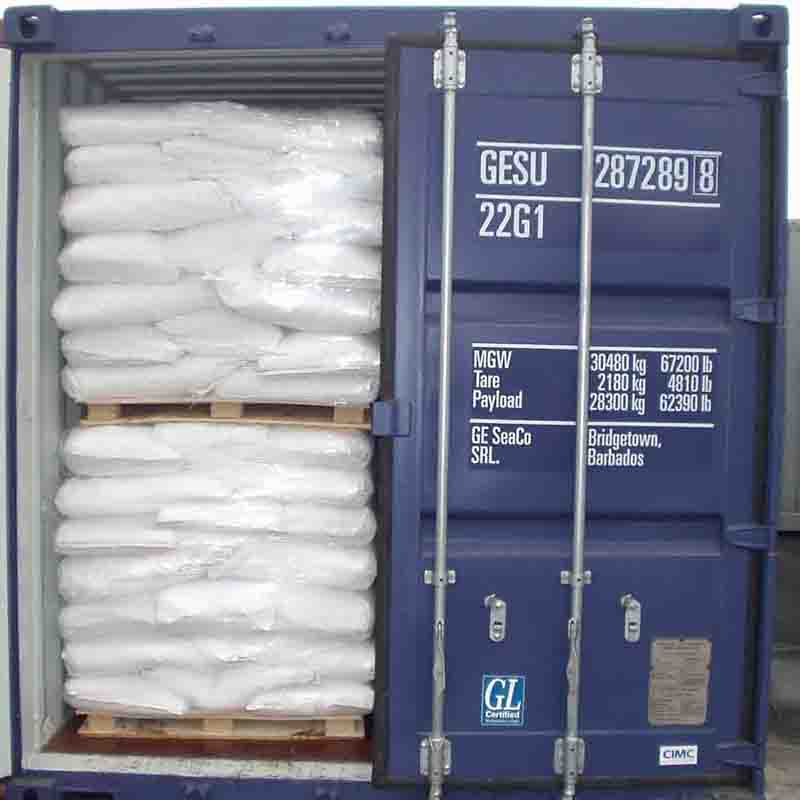
Packaging: The supplied standard packaging is 25 kg net paper bags or jumbo bags with PE liners; customized packaging can be arranged according to customer requirements.
Heat Exposure: Trisodium citrate dihydrate can lose crystallization water when heated to around 150°C. Avoid unnecessary heat exposure during storage and handling.

FAQ
Hot Tags: trisodium citrate dihydrate, China trisodium citrate dihydrate manufacturers, suppliers, factory, 8 40 Mesh Citric Acid Monohydrate, Food Acidity Regulators Citric Acid, Glacial Acetic Acid Food Grade, Glacial Acetic Acid Industrial Grade, Potassium Citrate Food Additive, Trisodium Citrate food additive